

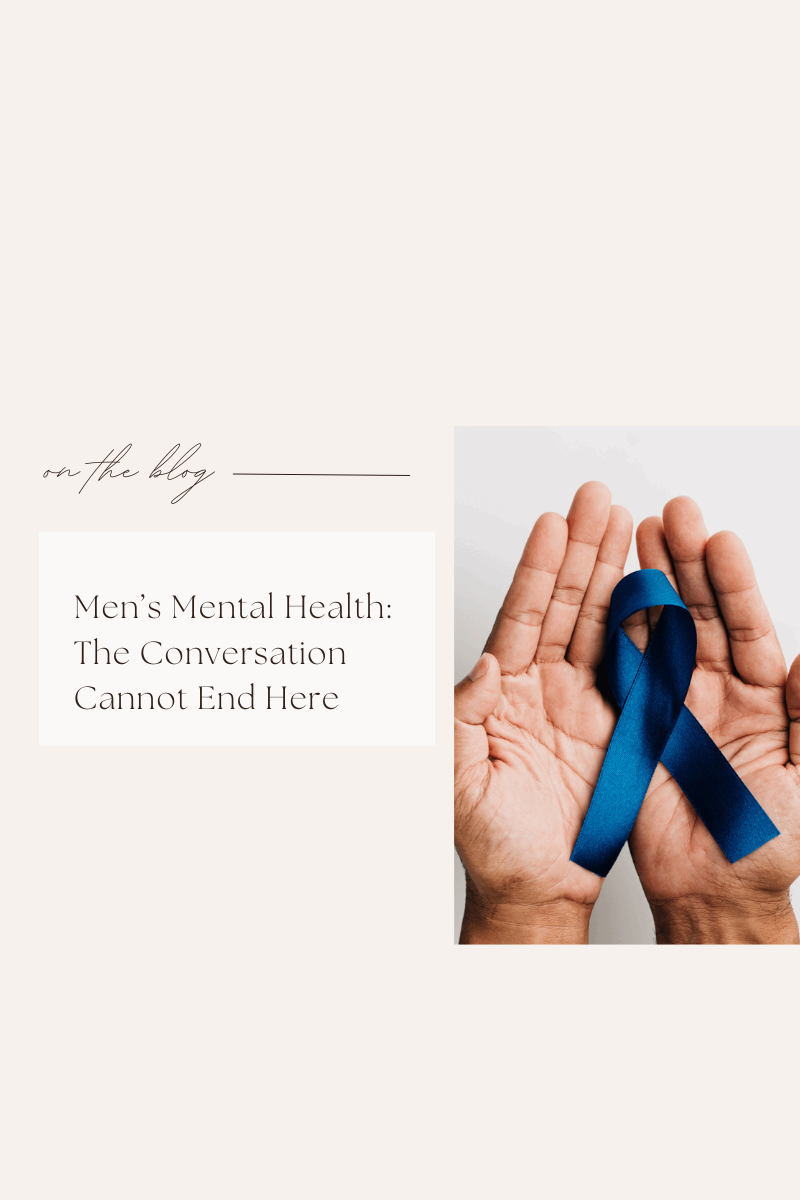
Men’s Mental Health: The Conversation Cannot End Here
Men’s Mental Health Awareness Month may be ending…
but the conversation should not.
Many men are still silently carrying anxiety, shame, loneliness, pressure, burnout, and emotional pain while trying to appear “fine.”
This final blog in the series explores why emotional honesty is not weakness, why survival mode is exhausting, and why men deserve spaces where they can be fully human without shame attached to it.
Because healing starts when silence finally breaks.
#MensMentalHealth #MensMentalHealthAwarenessMonth #MentalHealthAwareness #DepressionInMen #MaleLoneliness #EmotionalHealth #MensHealing #TherapyForMen #EmotionalSuppression #BurnoutInMen #AnxietyInMen #MensSupport #TraumaHealing #CounselingForMen #RestorationCounselingDSM
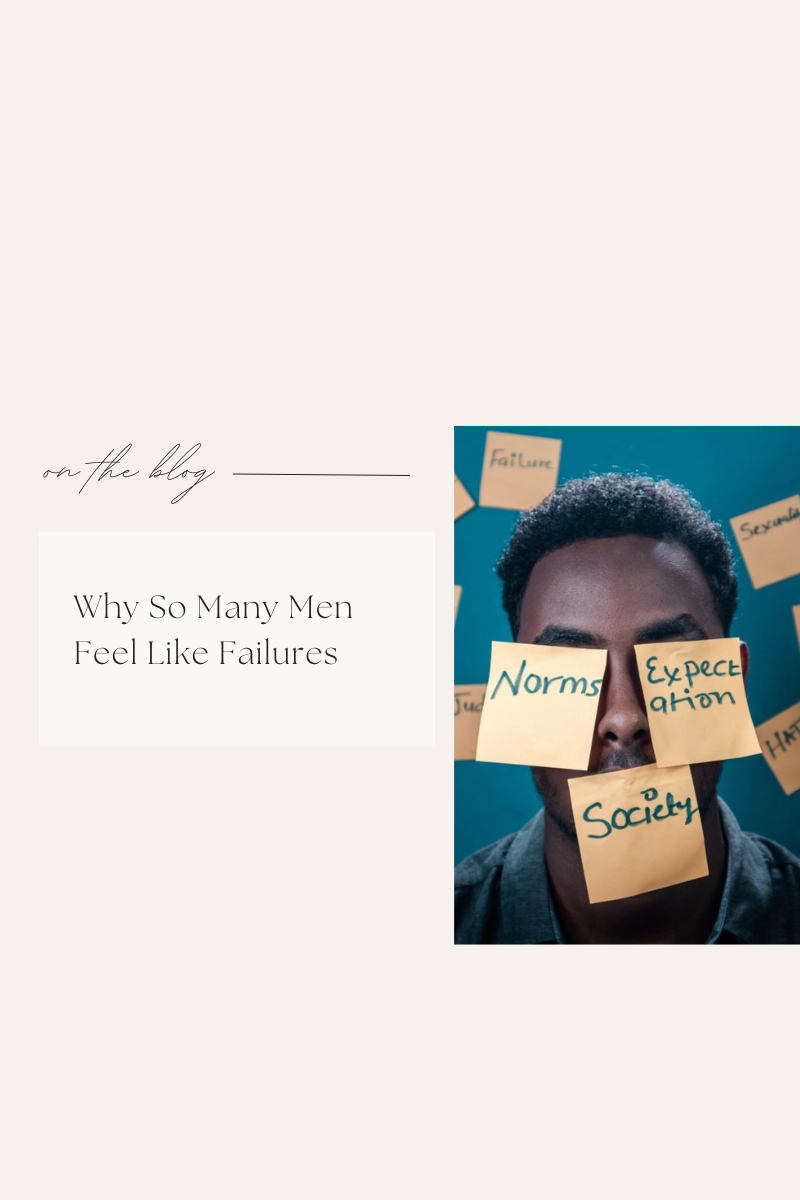
Why So Many Men Feel Like Failures
A lot of men secretly believe:
“If I’m not succeeding, providing, fixing, or achieving… then I’m failing.”
Many men were taught to tie their worth to performance.
To money.
To productivity.
To being “strong enough.”
To never struggling.
To never needing help.
So when life falls apart, relationships fail, finances get tight, careers change, or mental health declines, shame often follows close behind.
This week’s blog explores the internalized shame many men carry and why self-worth was never meant to depend entirely on performance.
#MensMentalHealth #InternalizedShame #MensMentalHealthAwarenessMonth #DepressionInMen #MensHealing #EmotionalHealth #MentalHealthAwareness #BurnoutInMen #MaleLoneliness #AnxietyInMen #TherapyForMen #EmotionalSuppression #SelfWorth #CounselingForMen #RestorationCounselingDSM
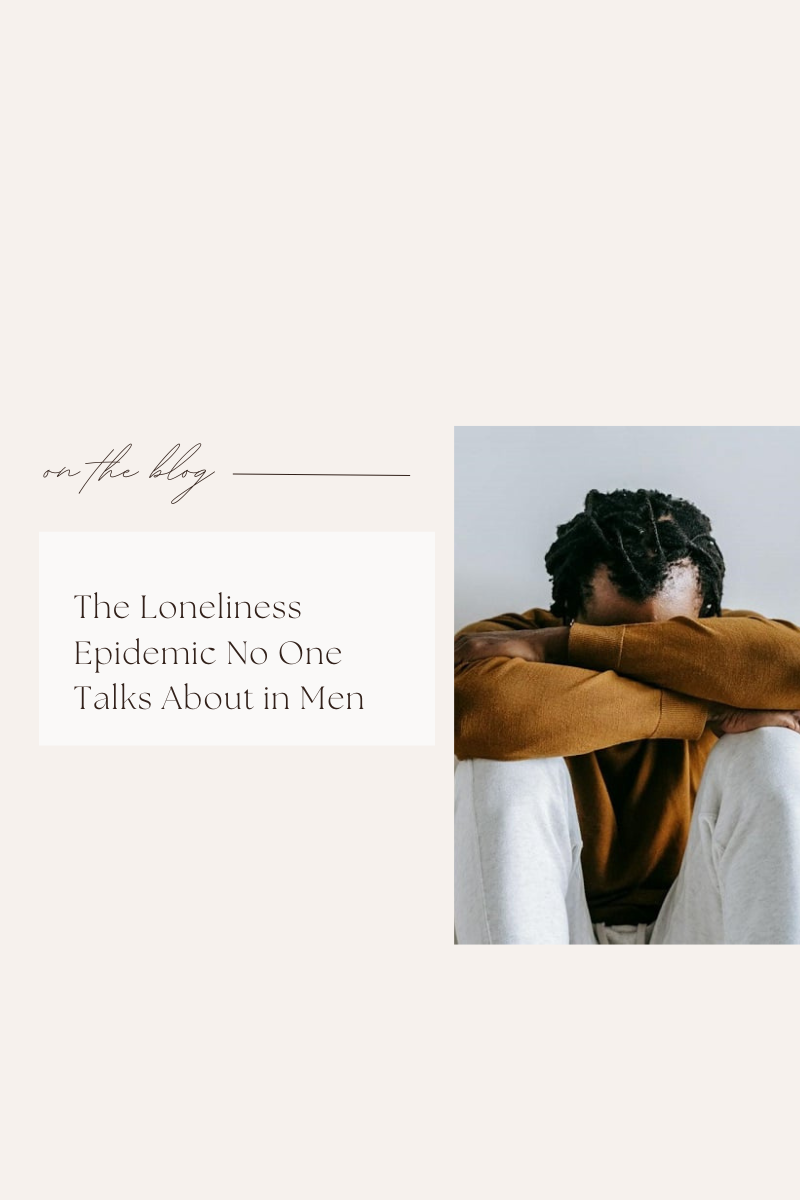
The Loneliness Epidemic No One Talks About in Men
Some men have friends everywhere…
and still feel completely alone.
Many men were taught how to joke together, work together, and survive together…
but not how to emotionally connect.
So loneliness hides behind busy schedules, surface conversations, isolation, distractions, and the constant pressure to “be fine.”
This week’s blog explores the hidden loneliness epidemic affecting men and why emotional connection is not weakness, it is part of being human.
#MensMentalHealth #MaleLoneliness #MensMentalHealthAwarenessMonth #DepressionInMen #EmotionalHealth #MentalHealthAwareness #MensHealing #TherapyForMen #EmotionalSuppression #RelationshipHealth #AnxietyInMen #MensSupport #TraumaHealing #CounselingForMen #RestorationCounselingDSM
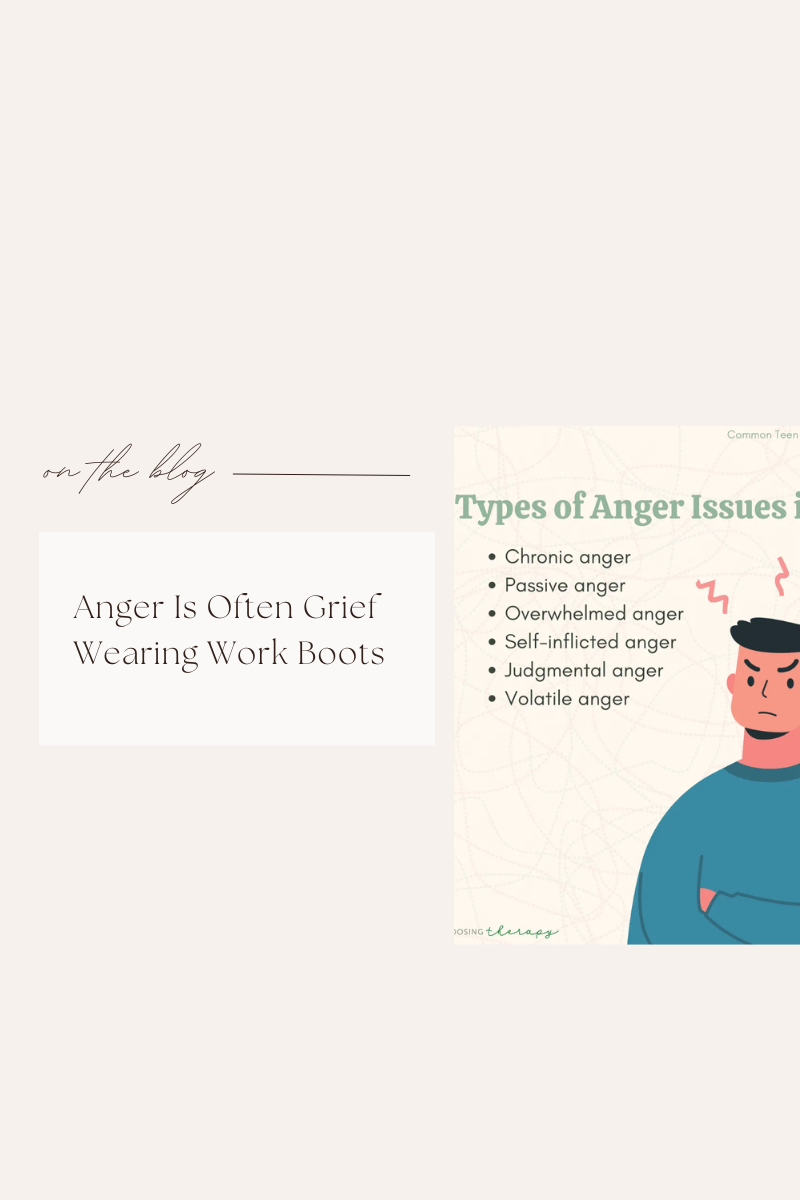
Anger Is Often Grief Wearing Work Boots
Not all anger is actually anger.
Sometimes it is grief with nowhere to go.
Sometimes it is shame hidden behind defensiveness.
Sometimes it is exhaustion, loneliness, fear, rejection, or emotional pain that was never given language.
Many men were taught that anger was the only “acceptable” emotion to show, so they learned to express pain sideways.
This week’s blog explores why men often externalize emotional pain and how unresolved hurt can show up as irritability, shutdown, rage, overworking, or emotional distance.
#MensMentalHealth #AngerInMen #DepressionInMen #MensMentalHealthAwarenessMonth #EmotionalSuppression #MentalHealthAwareness #MensHealing #AnxietyInMen #TherapyForMen #EmotionalHealth #TraumaHealing #RelationshipHealth #MaleLoneliness #CounselingForMen #RestorationCounselingDSM

The Men Who Never Learned How to Hurt
Many men were taught how to survive…
but not how to talk about what hurts.
Depression in men does not always look like sadness.
Sometimes it looks like anger, emotional shutdown, exhaustion, overworking, isolation, or feeling completely disconnected from yourself and the people around you.
In this week’s blog, we’re talking about the silent emotional weight many men carry and why vulnerability is not weakness.
Because mental health matters for men too.
#MensMentalHealth #DepressionInMen #MensMentalHealthAwarenessMonth #EmotionalHealth #TherapyForMen #MentalHealthAwareness #MensHealing #AnxietyInMen #CounselingForMen #RestorationCounselingDSM
Men’s Mental Health Month: The Conversations We Need to Start Having
June is Men’s Mental Health Awareness Month.
A lot of men are struggling silently behind phrases like:
“I’m fine.”
“It is what it is.”
“I’ll deal with it.”
Many were taught how to survive, provide, and push through pain… but never how to talk about what hurts.
This month, we’re having honest conversations about:
anger,
emotional shutdown,
loneliness,
pressure,
shame,
and what healing can actually look like for men.
Because mental health matters for men too.
And silence should not be the only coping skill they were given.
Why Do I Feel Anxious at Church?
You’re sitting in church… and your chest feels tight.
Your thoughts are racing.
Everyone else seems at peace… and you’re wondering what’s wrong with you.
Nothing is wrong with you.
Anxiety in church doesn’t mean weak faith.
It often means your nervous system learned that spaces like this weren’t always safe.
Maybe there was pressure.
Maybe there was judgment.
Maybe you had to perform instead of just be.
In Blessed Are the Misfits, Brant Hansen reminds us that not everyone connects to faith emotionally or socially—and that doesn’t make your faith less real.
You don’t have to feel it loudly to live it faithfully.
Sometimes the most honest faith sounds like:
“I’m here… and this is hard.”
And that still counts.
Why Do I Feel Numb in Relationships?
You’re not “falling out of love.”
You might be emotionally protecting yourself.
Numbness in relationships isn’t a lack of care—it’s often your nervous system saying, this doesn’t feel safe enough yet.
And healing isn’t about forcing feelings back.
It’s about creating the safety that allows them to return.

Why Do I Shut Down in Conflict?
Ever walk away from a conflict thinking, “Why didn’t I say anything?” That moment where your mind goes quiet, your chest tightens, and your voice disappears isn’t weakness—it’s protection. For many of us, shutting down isn’t a choice; it’s a learned response from a time when speaking up didn’t feel safe. The good news? What was learned can be gently unlearned. You don’t have to force your voice—you can rebuild it, one safe moment at a time.
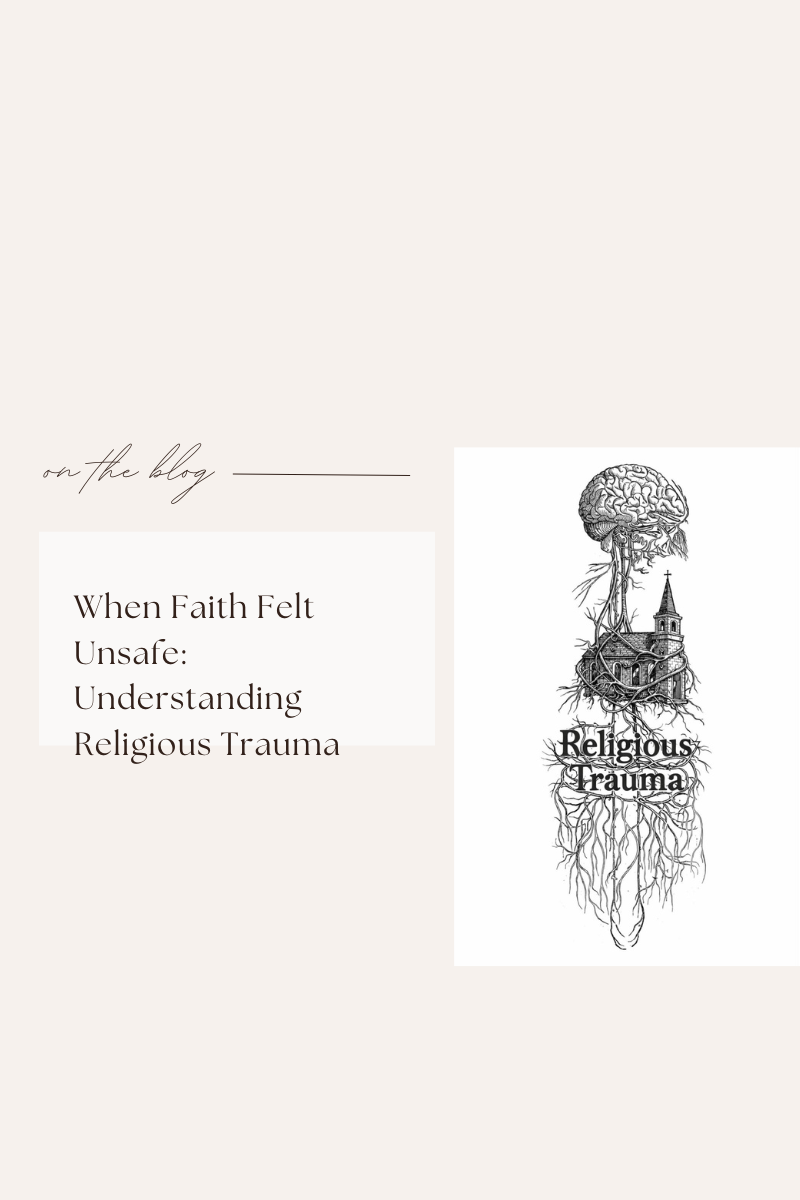
When Faith Felt Unsafe: Understanding Religious Trauma
Religious trauma isn’t just about what you were taught.
It’s about what your body learned.
It’s the tension you feel when certain words are spoken.
The hesitation when you question.
The silence that shows up before you even realize you have something to say.
This isn’t you “struggling with faith.”
This is your nervous system remembering what it once had to do to stay safe.
And healing doesn’t start with trying harder to believe.
It starts with learning that you are safe now.
Is This Normal in Therapy?When Your Therapist Explains Confidentiality
Confidentiality is one of the quiet foundations of therapy.
It’s what allows you to speak freely, knowing your story is protected and your privacy respected.
When a therapist takes the time to clearly explain confidentiality and its limits, it’s more than policy. It’s a signal that your safety matters.
Because therapy isn’t just about what you say.
It’s about whether you feel safe enough to say it.
Biblical Counseling vs. Licensed Mental Health Counseling: What’s the Difference—and Why It Matters
Not all “counseling” is created equal—and when you’re hurting, that distinction really matters.
Biblical counseling with a certificate can offer meaningful spiritual guidance, but it is not the same as licensed mental health care. Licensed therapists undergo years of education, clinical training, and supervision to safely treat things like trauma, anxiety, depression, and addiction.
The good news? You don’t have to choose between your faith and quality care. You can work with a licensed clinician who integrates Biblical truth into evidence-based therapy—honoring both your mental health and your spiritual life.
Because healing shouldn’t require you to leave part of yourself at the door.
#RestorationCounselingDSM #FaithAndMentalHealth #ChristianCounseling #KnowTheDifference #MentalHealthMatters

Is This Normal in Therapy?When Other People Are in the Office
There’s a quiet question some clients carry into session:
“Is it normal for my therapist’s spouse to be in the office?”
It’s not usually asked with accusation. It’s asked with uncertainty. A subtle sense that something feels slightly misaligned.
Therapy is a confidential healthcare service, not a shared social space. The environment should be structured, private, and professionally contained. Anyone present must have a legitimate role and be bound by confidentiality.
If you find yourself wondering whether something in your therapy space is normal, that question deserves thoughtful attention.
Because therapy should feel safe enough to tell the truth, and steady enough to protect it.
Therapy: What’s Normal and what’s not
There’s a moment that happens in therapy sometimes. A client pauses mid-sentence, tilts their head slightly, and asks, “Is this normal?”
It’s rarely just curiosity. It’s usually discernment trying to wake up.
Most people enter therapy assuming the structure is solid, the boundaries are clear, the professionalism is steady. And most of the time, that assumption is right.
But not everyone knows what therapy is supposed to feel like.
Healthy therapy has quiet strength to it. It feels contained, private, grounded. It doesn’t blur roles. It doesn’t confuse attachment with professionalism. It doesn’t leave you guessing.
If you ever find yourself wondering whether something in therapy is normal, that question deserves space. Not shame. Not dismissal. Just thoughtful clarity.
Because therapy should never feel murky.
It should feel safe enough to tell the truth.
And steady enough to hold it.

Reflecting on 2025: What Did God Teach You This Year?
As 2025 fades, pause: What did God whisper (or shout) through your highs, lows, and everything in between? My guided journaling prompts will help you uncover His faithfulness—grab your pen and reflect!
Read now. #EndOfYearGlowUp #Gods2025Lessons #SoulfulReflection #FaithJournaling #RestorationCounselingDSM
Jessica@RestorationCounselingDSM.com – Text me at (515) 518-0681 to dive deeper. 📝✨

Emmanuel: Remembering God With Us in Every Season
Amid the Christmas chaos, remember: Emmanuel—God with you, not just for you. In every storm or sparkle, His presence whispers peace. A quick devotional to anchor your heart this week.
Read now. #EmmanuelMagic #GodInTheMess #ChristmasWhisper #FaithInChaos #RestorationCounselingDSM
Jessica@RestorationCounselingDSM.com – Text me at (515) 518-0681 when you're ready. ✨

Grieving at Christmas: When Everyone Else Seems Happy
Grieving this Christmas while carols ring and lights twinkle? Your ache is real—God sees it, holds it, and invites you to honor lost loves with tender rituals. Sorrow and hope can coexist.
Read my latest. #GrievingAtChristmas #HolidayHeartache #SacredSorrow #FaithInGrief #RestorationCounselingDSM
Jessica@RestorationCounselingDSM.com – Text me at (515) 518-0681 for gentle support. 🕯️

When You Feel Like the Black Sheep at Christmas
Feeling like the black sheep at family Christmas gatherings? You're not alone—and your worth isn't defined by who gets you. Discover belonging in Christ that no strained ties can steal.
Read my latest. #BlackSheepVibes #HolidayHeartache #FaithOverFamilyDrama #RestorationCounselingDSM #ChristmasBelonging
Jessica@RestorationCounselingDSM.com – Text me at (515) 518-0681 for support. ❄️
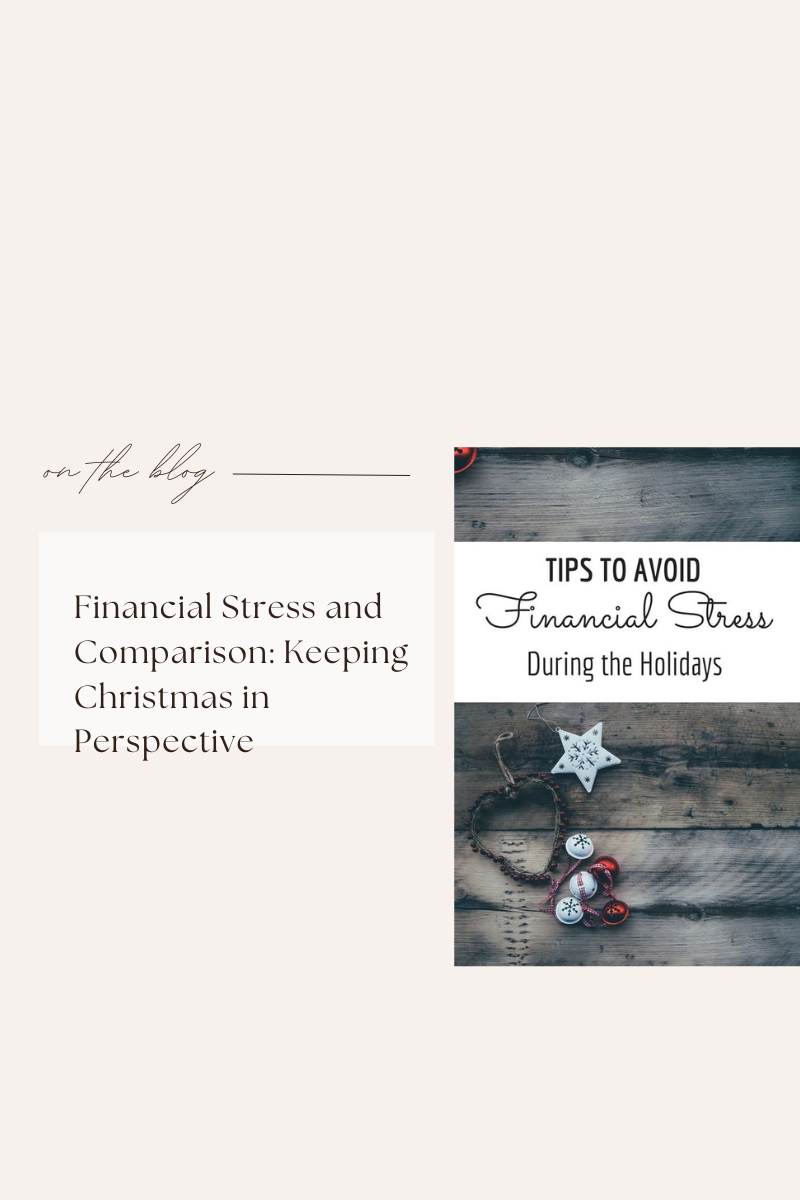
Financial Stress and Comparison: Keeping Christmas in Perspective
Holiday hustle got you stressed? Between budgets and Instagram envy, Christmas can feel more chaotic than joyful. Let's reclaim it with gratitude, simplicity, and faith's gentle anchor—keeping Jesus at the center.
Read my December post. #HolidayMentalHealth #ChristmasPerspective #RestorationCounselingDSM
Jessica@RestorationCounselingDSM.com – Text me at (515) 518-0681 for support. 🎄

A Heart's Release: Why 'Forgiving What You Can't Forget' by Lysa TerKeurst is Your November Companion for Healing
Stuck in the cycle of unforgiveness? Lysa TerKeurst's Forgiving What You Can't Forget is the gentle guide you need—blending raw honesty, Scripture, and real steps to heal without erasing the pain. My November review pairs perfectly with our forgiveness series!
Read it here. #BookRecs #ForgivenessJourney #RestorationCounselingDSM
Jessica@RestorationCounselingDSM.com – Text me at (515) 518-0681 to chat. 📖

-
The internet is loud.
Algorithms are caffeinated.
Everyone is shouting. 📣But your nervous system? It’s tired.
So here’s my invitation:
Come sit at a quieter table.
If you’ve ever found yourself thinking…
• “Why do I keep repeating this pattern?”
• “Why does my brain do this?”
• “Is it trauma, hormones, faith questions, burnout… or all of it?”
• “Can I love Jesus and still need therapy?”…then my blog is basically your people. 🪴
I write about:
✨ brain chemistry and real mental health
✨ trauma, boundaries, and hard relationships
✨ faith that wrestles instead of pretends
✨ perimenopause honesty
✨ practical tools you can actually use
✨ the messy, sacred work of becoming yourselfNo fluff. No toxic positivity. No shame.
Just grounded truth, a little sass, and a whole lot of restoration.If you appreciate content that makes you pause mid-scroll and think, “Well. That hit.”
You’ll want to subscribe.Because healing is not a one-time breakthrough.
It’s layered. It’s lived. It’s learned.And I’m building a space where we can explore all of it together.
🖊️ Subscribe to the blog.
Come read. Reflect. Grow.
Let’s strengthen your mind, your faith, and your backbone.